Buying land or a luxury home in College Grove can feel thrilling until you hit questions about title insurance. Do you really need it, what does it cover, and how is rural acreage different from a subdivision lot? If you are relocating to Williamson County or purchasing larger tracts, getting this right protects your investment and peace of mind. In this guide, you will learn what owner’s and lender’s policies cover, what they do not, and the survey and endorsement steps that matter for acreage. Let’s dive in.
Owner’s vs. lender’s title insurance
What title insurance does
Title insurance protects against covered losses from defects in a property’s title that existed on the date your policy is issued. It deals with legal ownership, not physical damage. For a consumer-friendly primer, see the CFPB’s overview of title insurance and the American Land Title Association’s guides.
Owner’s policy
An owner’s title insurance policy protects your ownership and equity. Coverage typically lasts as long as you hold title, and it can extend to your heirs. It is optional, but for high-value or acreage purchases in College Grove, it is a practical safeguard because it covers legal defense and certain covered losses if a hidden defect surfaces.
Lender’s policy
A lender’s title insurance policy protects the lender’s security interest in the property. Most lenders require it as a condition of your loan. It does not protect you as the owner, which is why many buyers choose to purchase an owner’s policy in addition to the lender’s policy.
One-time premium
Title insurance is a one-time premium paid at closing. Forms and rates are regulated at the state level, and who pays can vary by local custom. For state oversight information, visit the Tennessee Department of Commerce & Insurance, and for local practice insights, check Tennessee REALTORS.
What title insurance typically covers
While policies and endorsements vary by insurer, common covered risks include:
- Forged or improper signatures in the chain of title.
- Hidden liens or judgments that were not found in the title search.
- Errors or omissions in public records.
- Unknown heirs or missing parties with a claim to the property.
- Certain recorded easements or restrictions that were not discovered in the search.
You can explore national standards and consumer resources through ALTA and the CFPB.
What is not covered
Title insurance does not cover everything. Standard exclusions often include:
- Matters created after the policy date, such as new liens you agree to.
- Zoning or land use regulations and other governmental actions.
- Rights or claims not shown in the public record, unless specifically endorsed.
- Environmental issues, such as contamination, unless a special endorsement is available.
Availability and terms of endorsements vary. Your title company can confirm what is offered in Tennessee.
Why acreage in College Grove needs extra attention
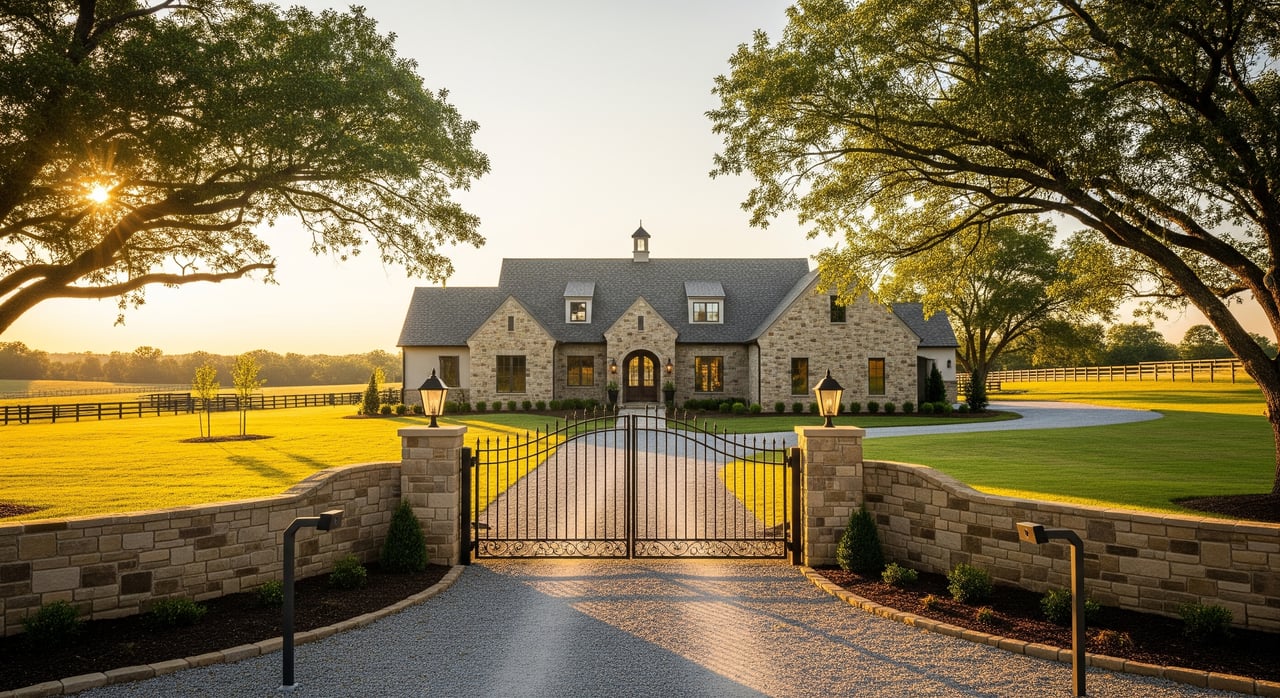
College Grove blends rolling farmland with luxury estates. That mix creates title issues that are less common in platted subdivisions. Understanding these local patterns helps you ask better questions before closing.
Legal access
Many rural properties rely on private roads or shared driveways. If legal access is not clearly recorded, your lender may pause the loan and your title insurer may limit coverage. Confirm that your parcel has recorded ingress and egress or explore an access endorsement when available.
Easements you can and cannot see
Utility, driveway, pipeline, or conservation easements are common in Williamson County. Recorded easements usually appear in the title search and are listed as exceptions. Unrecorded or prescriptive easements may not show up, and they are often excluded unless addressed through endorsements or curative documentation.
Boundaries and metes-and-bounds
Large tracts often use metes-and-bounds descriptions that reference trees, fences, or historic markers. Boundaries can be imprecise without a current survey. An ALTA/NSPS survey is the best way to clarify where improvements sit relative to lines and easements.
Mineral, oil and gas, and timber rights
Older deeds can reserve mineral, oil and gas, or timber rights to a prior owner. That reservation can allow activity under the surface or restrict certain uses. Review the deed and county records for reservations and leases noted in the title commitment.
Liens, taxes, and farm-related claims
Unreleased liens for equipment, roadwork, or timber removal are not unusual on acreage. These need to be cleared before closing and will appear in Schedule B-1 requirements of your title commitment.
Conservation and government program encumbrances
Some properties participate in agricultural or conservation programs. These restrictions are often permanent and recorded. For background on federal programs, see the USDA and NRCS resources.
Prescriptive rights and long-standing use
If neighbors have openly crossed a corner of a tract for years, a prescriptive easement claim could arise depending on facts and state law. These rights are often unrecorded and may be excluded from standard coverage without additional steps.
For recorded documents, deed images, and parcel maps, use the county’s official links via Williamson County, Tennessee.
Surveys, endorsements, and your coverage
A current ALTA/NSPS survey is often required by lenders for rural or irregular parcels. It maps boundaries, improvements, easements, and visible encroachments so you can compare what is on the ground with what appears in the title commitment. Review the survey alongside the commitment to spot conflicts.
Ask your title company about endorsements relevant to your property. Common requests for acreage include:
- Survey-related endorsements that reduce broad survey exceptions.
- Access endorsements for confirmed ingress and egress.
- Easement endorsements that address specific recorded easements.
- Mineral or subsurface rights endorsements or indemnities when reservations exist.
You can reference national survey standards and consumer education through ALTA and the CFPB.
How to read your title commitment
Title commitments follow a standard structure. Understanding each section helps you resolve issues before closing and request the right coverage.
- Schedule A identifies the parties, property description, proposed insured amounts, and effective date.
- Schedule B-1 lists requirements to satisfy before policy issuance, such as lien payoffs, deed corrections, or affidavits.
- Schedule B-2 lists exceptions that will not be insured against, such as recorded easements, covenants, taxes not yet due, and unrecorded matters if excluded.
Endorsements can sometimes modify or remove certain exceptions. For Tennessee legal references, you can search state law at the Tennessee General Assembly, and for insurance oversight, consult the Tennessee Department of Commerce & Insurance.
Buyer checklist for College Grove closings
- Order an owner’s title insurance policy at closing.
- Obtain an ALTA/NSPS survey and review it with the title commitment.
- Confirm legal access via a public road or a recorded easement.
- Search deeds for mineral, oil and gas, timber reservations, and conservation easements.
- Clear recorded liens and gather payoff documentation listed in Schedule B-1.
- Discuss access, survey, and mineral-related endorsements with the title company.
- If you suspect unrecorded rights or boundary issues, consult a Tennessee real estate attorney before closing.
Use the county’s official portals for deed searches and parcel data via Williamson County’s website.
Seller preparation tips
- Share any existing surveys, prior deeds, and easement agreements with the title company early.
- Resolve tax delinquencies, liens, and judgments likely to appear on the title commitment.
- Disclose known boundary disputes or long-standing use arrangements with neighbors.
Work with a trusted local advisor
Title insurance decisions are easier when you have a clear plan, a current survey, and a local team that knows how rural Williamson County works. If you are evaluating acreage or a luxury estate in College Grove, you deserve a calm, high-touch process from search to close. For tailored guidance and direct-agent service, connect with Donna Walsh eXp Luxury.
FAQs
Do I need owner’s title insurance for acreage in College Grove?
- An owner’s policy is optional, but it is strongly recommended for rural and high-value properties because it protects your equity and legal defense for covered title defects.
What endorsements matter most for rural Williamson County property?
- Buyers often inquire about survey-related, access, easement-specific, and mineral rights endorsements; availability and terms vary by insurer in Tennessee.
Will title insurance cover zoning, wells, or septic issues?
- Standard policies exclude zoning and most environmental matters, and lenders may require separate well or septic certifications outside of title coverage.
How are mineral or timber rights handled in Tennessee title work?
- Deeds may reserve mineral, oil and gas, or timber rights; these reservations usually remain and may require endorsements or additional review of recorded instruments.
Who typically pays for the owner’s policy in Tennessee?
- Payment is a matter of local custom and negotiation; for state and industry context, see Tennessee REALTORS and the Tennessee Department of Commerce & Insurance.