Torn between a sleek condo in The Gulch and a bungalow in East Nashville? You are not alone. Many buyers weigh convenience and amenities against space and long-term value. In this guide, you will compare costs, lifestyle fit, and resale factors so you can choose with confidence. Let’s dive in.
Costs at a glance
Choosing a condo often means a lower total purchase price near the urban core, though price per square foot can be equal or higher in premium towers. Single-family homes closer to downtown tend to command a premium for land, privacy, and potential to expand. Your true monthly cost depends on HOA dues, maintenance, taxes, and insurance, not just the mortgage.
Upfront costs
Condos can come with extra lender reviews. Many lenders and government programs require condo project approval and a look at the association’s finances. Some projects, especially smaller or investor-heavy buildings, may not be eligible for certain loan types. Always confirm project eligibility early with your lender.
Closing costs are similar for condos and houses, but some condos charge transfer or capital contribution fees to the HOA at closing. Down payment expectations depend on your loan program and occupancy. If you plan to rent the unit, some lenders require higher down payments for condos.
Monthly costs and taxes
HOA dues in urban towers often range from the mid-hundreds to over a thousand dollars per month, depending on amenities like concierge service, pools, and parking. Low-rise condos and townhomes are often lower. Many single-family homes in Nashville have no HOA, though planned communities may charge fees for shared amenities.
Davidson County property taxes apply to both condos and houses. Tennessee’s effective property tax rate is historically moderate compared to many states, but assessed values and rates can change. Review the current assessment and consider potential changes if you are buying new construction or a recently renovated property.
Special assessments are a key difference. Condo owners can face building-wide assessments for major repairs if reserves are low. Homeowners may face similar one-time costs for roofs or HVAC, but they pay them directly rather than through a building assessment.
Insurance basics
Condo owners typically buy an HO-6 policy for interior finishes and liability, while the association insures the building through a master policy. It is important to understand what the master policy excludes and how deductibles are allocated after a claim.
Single-family homeowners insure the structure, contents, and liability on their own policy. In some parts of Nashville near floodplains, lenders may require flood insurance. Always review FEMA flood maps and any local floodplain designations.
Maintenance realities
If you buy a house, you are responsible for the roof, systems, exterior, and yard. A common rule of thumb is to budget 1 to 3 percent of the home’s value per year for maintenance, though actual costs vary by age and condition.
Condo dues usually cover exterior maintenance, landscaping, major building systems, and common areas. You will still maintain interior items and sometimes unit-level HVAC. Budget for HOA dues plus a cushion for special assessments.
Lifestyle tradeoffs
Condos deliver convenience and social amenities but come with shared walls, hallways, and elevators. Building rules can help manage noise and amenity use, but privacy is different from a stand-alone home. Houses offer more control over modifications, landscaping, and outdoor space.
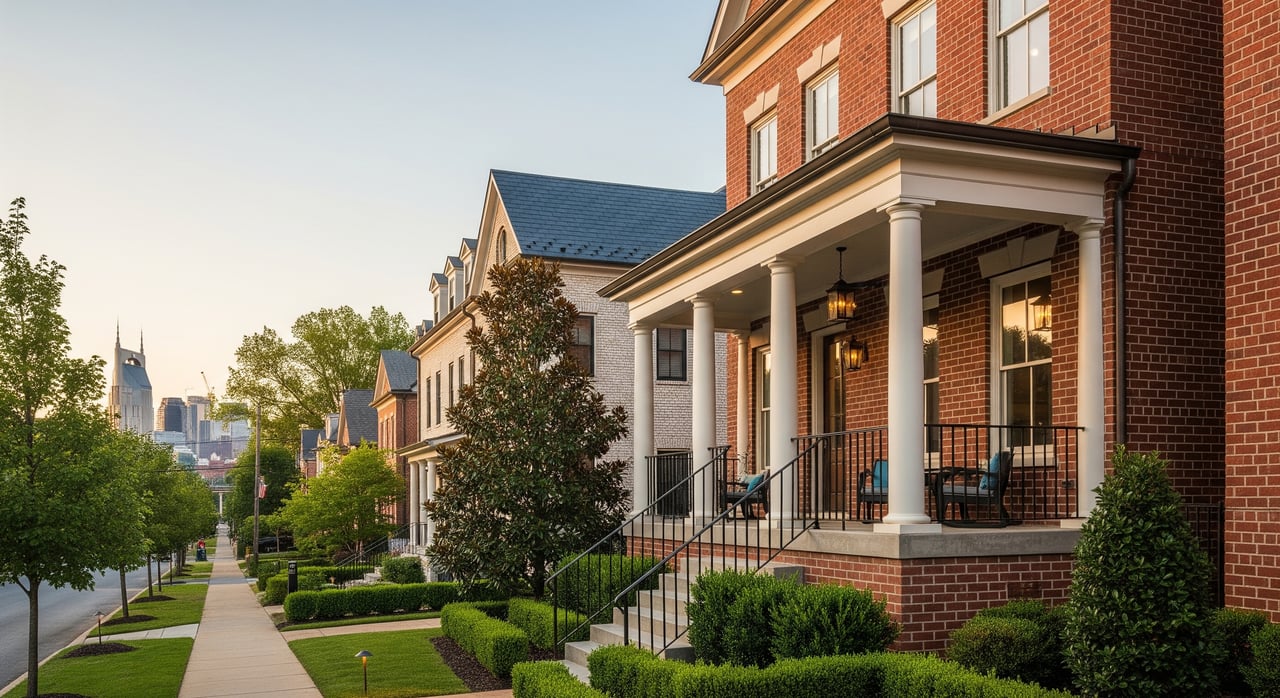
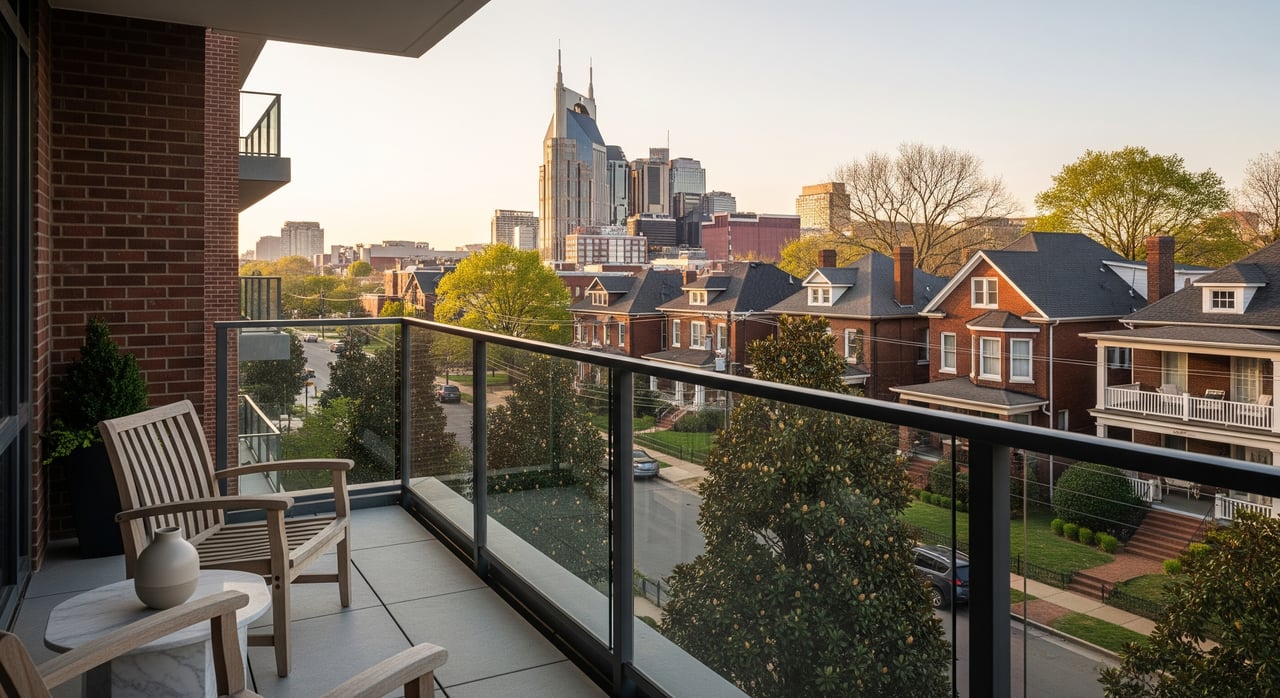
Think about your daily rhythm. If you value an on-site gym and a quick walk to dinner, a condo near Downtown or SoBro may suit you. If you want a yard, workshops, or pets with fewer restrictions, a house in East Nashville, 12South, or Sylvan Park can be a better fit.
Parking and storage
Parking in core towers may be assigned, deeded, valet, or first-come. Policies for guest parking vary by building, so verify how many spaces you will have and where guests can park. Storage in condos can be limited or available at extra cost.
Most single-family homes offer driveways or garages plus street parking where allowed. If you rely on gear, tools, or seasonal items, the added space of a house can be a major advantage.
Amenities and services
Condo perks often include gyms, pools, security or concierge services, package rooms, and rooftop decks. These conveniences drive HOA costs but can reduce time spent on maintenance.
Houses generally do not have shared amenities unless in a community with an HOA. The upside is full control. You can add private amenities like a deck, garden, or pool if zoning and budgets allow.
Walkability and location fit
Core condo neighborhoods like The Gulch, Downtown, and SoBro shine for walkability to restaurants, music venues, and offices. Midtown near Vanderbilt caters to students, faculty, and young professionals and has an active rental market.
Single-family homes in 12South, Germantown, and East Nashville offer a strong neighborhood feel and local retail. Areas like Green Hills and Forest Hills are more car oriented, though they include established shopping and services.
Pets and rentals
Many condos limit pet size, breeds, and the number of pets per unit. Houses usually offer more flexibility for pets and yard use. If rental potential matters, check both HOA rules and Metro Nashville regulations for short-term and long-term leasing. Some buildings prohibit short-term rentals or cap investor ownership.
Resale and appreciation
Condos typically attract young professionals, downsizers, and some investors, depending on building rules. Single-family homes draw buyers who want space, privacy, and room to grow. In many markets, houses appreciate faster over time due to land value, but well-located boutique condos can outperform in specific corridors.
Resale value for condos depends on building-level health. High dues without clear amenities, low reserves, heavy investor ratios, or building litigation can dampen demand. Strong walkability, proximity to jobs, and a limited supply of units can support condo values.
Neighborhood snapshots
- Downtown, SoBro, The Gulch: High-rise and luxury towers with strong walkability and higher HOA fees. Expect active nightlife, traffic, and amenity-driven living.
- Germantown: Mix of rowhomes, townhomes, and some condos near downtown. Neighborhood vibe with a blend of urban access and residential streets.
- Midtown, Vanderbilt: Condo buildings and rentals popular with students and professionals. Lively area with higher rental turnover.
- 12South, Sylvan Park: Mostly single-family homes and historic bungalows with some infill townhomes. Close to neighborhood retail and parks.
- East Nashville: Historic homes and new infill draw buyers who want character and a local scene. Single-family homes are often preferred.
- Green Hills, Forest Hills: Primarily single-family homes on larger lots with access to shopping and services. Fewer condo options.
- The Nations, West Nashville: Rapid redevelopment with new condos and multifamily projects. Supply cycles can influence short-term pricing.
How to choose
Start with your daily life. Do you value walkability and on-site amenities more than yard space and privacy? Think about your tolerance for shared governance and rules. Are you comfortable with an HOA that sets policies and budgets, or do you prefer full control with added maintenance responsibility?
Next, map your financing. If you plan to use FHA or VA, verify condo project approval early. Look at total monthly costs, not just the mortgage. Include HOA dues, utilities, insurance, and a realistic maintenance reserve.
Finally, consider resale timing. If you plan to move within a few years, understand nearby supply, building health, and the active buyer pool for your property type.
Due diligence checklist
For condos
- Review HOA governing documents, rules, and CC&Rs.
- Study the current HOA budget, operating statements, and reserve study.
- Check reserve balance, history of special assessments, and board meeting minutes.
- Verify condo master insurance coverage and deductible allocation.
- Confirm FHA, VA, or other project approval if relevant to your loan.
- Understand rental rules, minimum lease terms, and any rental caps.
- Verify parking type, deeded spaces, and guest parking policies.
- Ask about building maintenance records, major capital projects, and any active litigation.
- Request owner-occupancy and HOA dues delinquency rates.
For houses
- Get inspections for roof, foundation, HVAC, plumbing, and electrical.
- Review age and service history for major systems and the roof.
- Confirm zoning, setbacks, easements, or right-of-way issues.
- Check flood zones, prior flood claims, and elevation certificates if applicable.
- Ask about any neighborhood covenants or planned municipal projects nearby.
For both
- Review recent comps for the specific building or street.
- Ask for utility bills to estimate monthly costs.
- Check current property taxes and how renovations or new construction could affect assessment.
- Note noise sources, nearby construction, and planned transportation projects that could affect value.
Work with a local advisor
Condos in Nashville buy you convenience and amenities. Houses often deliver space, control, and long-term potential. The right choice depends on your priorities, timeline, and financing. If you want a calm, informed path, work with a local advisor who knows Nashville’s buildings, micro-markets, and lending dynamics. For direct, white-glove guidance, connect with Donna Walsh eXp Luxury.
FAQs
What should I budget monthly for a Nashville condo vs. house?
- Add mortgage, HOA dues, insurance, utilities, and a maintenance reserve. For houses, include yard and exterior upkeep. For condos, plan for HOA plus possible special assessments.
Can I use FHA or VA to buy a Nashville condo?
- Maybe. Many lenders require condo project approval and a review of HOA finances. Confirm the building’s eligibility with your lender early.
How common are special assessments in Nashville condos?
- They happen when reserves are not sufficient for major repairs. Review the reserve study, balance, and board minutes to gauge risk before you buy.
How does parking work in downtown Nashville condos?
- It varies. Spaces may be deeded, assigned, valet, or first-come. Verify the number of spaces included, guest parking options, and any fees.
Are short-term rentals allowed in Nashville condos or houses?
- Rules vary by building and city regulations. Check HOA documents for rental limits and Metro Nashville licensing requirements before you count on rental income.
Do houses appreciate faster than condos in Nashville?
- Generally, single-family homes often appreciate faster due to land value, but well-located condos can outperform in specific corridors. Compare building-level and neighborhood comps.
What documents should I review before buying a condo in Nashville?
- HOA bylaws and rules, current budget, reserve study, board minutes, master insurance policy, project approval status, rental rules, parking documents, and any litigation disclosures.