Thinking about a move to Nashville and stuck on one big question: urban condo or suburban home? You are not alone. For many relocators, the choice is less about city versus suburb and more about how you want your day-to-day life to feel, what kind of ownership responsibilities you want, and how your budget lines up with the local market. This guide will help you compare both paths in practical terms so you can make a confident move. Let’s dive in.
Nashville Condo vs Suburban Home
If you are relocating to the Nashville area, this decision often comes down to three things: lifestyle, monthly costs, and long-term flexibility. Both options can work well, but they solve different needs.
Urban condos in Nashville proper are often found in areas the city highlights for walkability or entertainment access, including The Gulch, Downtown/SoBro, Midtown, Germantown, East Nashville, and Wedgewood-Houston. These areas tend to appeal to buyers who want to stay close to restaurants, events, and more connected daily routines.
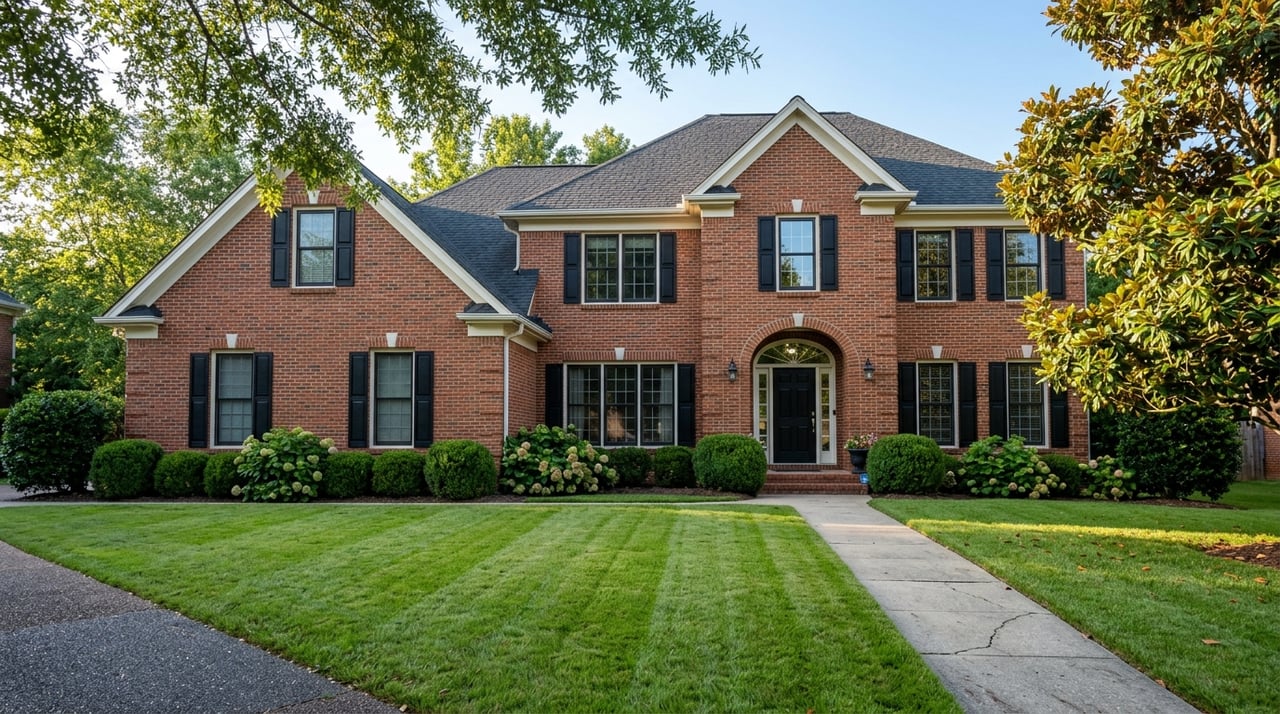
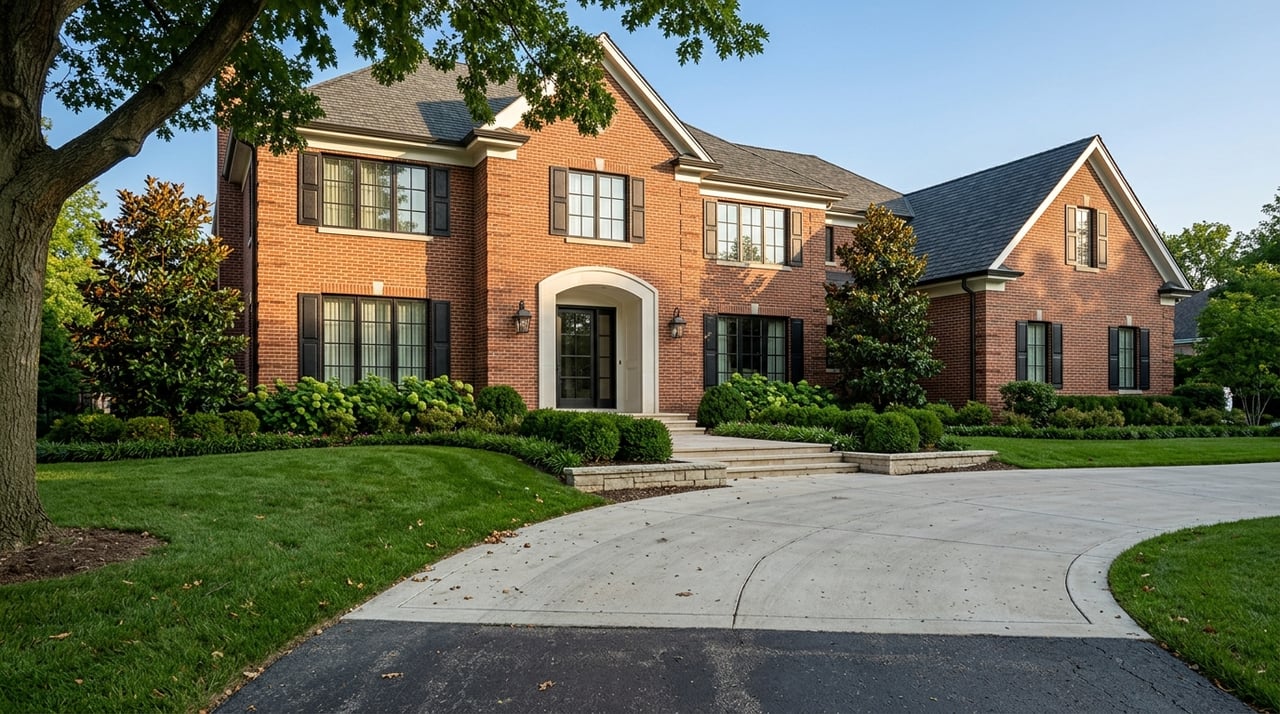
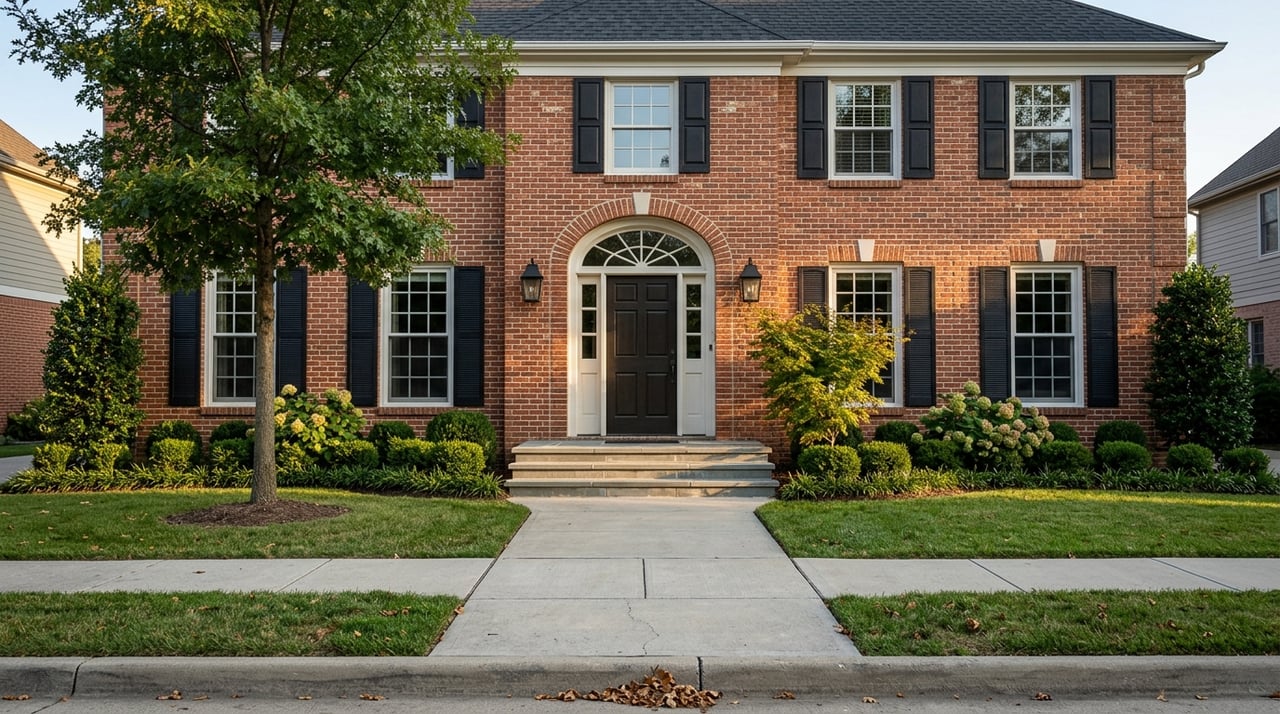
Suburban homes are often compared across places like Franklin, Brentwood, Mount Juliet, Williamson County, Rutherford County, and Wilson County. Many buyers look there when they want a detached home, more direct control over the property, or a little more distance from the urban core.
Start With Your Daily Routine
Before you compare price points, think about how you want a normal Tuesday to look. Your housing choice affects where you park, how much you walk, what you maintain, and how often you rely on your car.
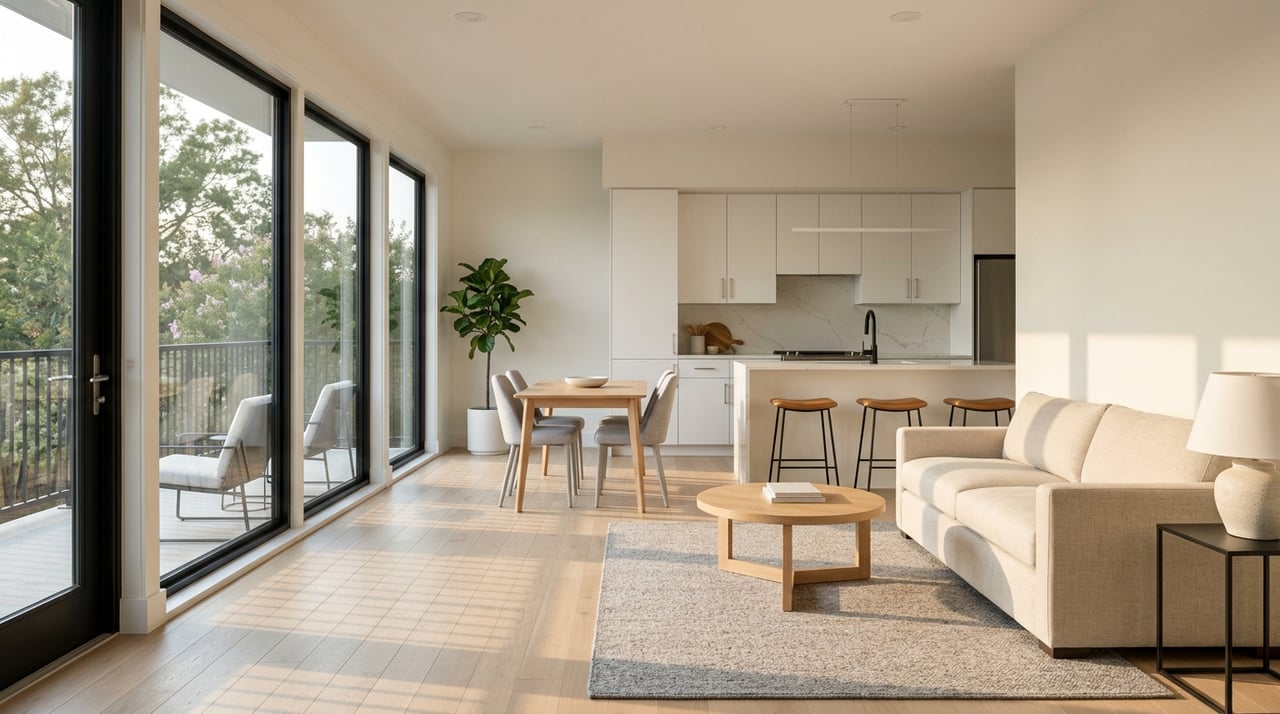
An urban condo may fit you well if you want a more connected, lower-maintenance lifestyle. In Nashville, neighborhoods like The Gulch and Germantown are often described as walkable, while Wedgewood-Houston offers close-in access just south of Downtown.
A suburban home may feel like a better fit if you want more separation, more outdoor space, or a detached ownership setup. For many relocating buyers, that extra breathing room matters just as much as square footage.
When an urban condo makes sense
You may prefer an urban condo if you want:
- Close access to Nashville’s core neighborhoods
- A more walkable or entertainment-oriented setting
- Less hands-on exterior maintenance
- Building amenities or shared common spaces
- A home that works well for a busy, lock-and-leave lifestyle
When a suburban home makes sense
You may prefer a suburban home if you want:
- A detached ownership profile
- More direct control over the property
- More separation from the city core
- Space for storage, hobbies, or outdoor use
- Fewer association-related building rules
Commute Time Is Not Always What You Expect
Many buyers assume living in Nashville proper automatically means a shorter commute. In practice, the numbers suggest it is not that simple.
Current Census QuickFacts show mean travel time to work at 24.7 minutes in Davidson County, 23.9 minutes in Franklin, 25.7 minutes in Brentwood, 28.0 minutes in Williamson County, 28.1 minutes in Rutherford County, and 30.2 minutes in Mount Juliet. That means your commute depends heavily on where you work, not just whether your home is urban or suburban.
If you plan to use city transit or walkable corridors, Nashville’s transportation investments may matter to you. Metro Nashville is advancing improvements through Choose How You Move, including expanded WeGo bus service and all-access corridor upgrades.
A smarter way to compare commute
Instead of asking, “City or suburb?” ask:
- Where is your office or most frequent destination?
- How many days per week will you commute?
- Do you want to rely mainly on a car, transit, walking, or a mix?
- Are evening plans and daily errands part of your commute equation?
These questions usually reveal the better fit faster than a zip code search alone.
Compare Ownership Costs Carefully
Purchase price matters, but monthly ownership cost matters more in daily life. A condo and a suburban home can feel very different once taxes, dues, and maintenance are part of the picture.
In Davidson County, residential property taxes are calculated on 25% of appraised value, and Metro’s FY2026 combined property tax rate is $2.814 per $100 of assessed value. Metro’s example shows that a home appraised at $100,000 is assessed at $25,000 and taxed at $703.50 under that rate.
That tax structure matters whether you buy a condo or a house in Davidson County. What changes is how maintenance costs show up in your budget.
Condo costs to expect
With a condo, some maintenance expenses are typically shifted into monthly association dues. Those fees often cover exterior and common-area maintenance and may also include items like water, sewer, trash, or amenity upkeep.
That convenience can be a major plus, especially if you do not want to manage exterior repairs yourself. Still, condo owners should remember that special assessments can happen, so the monthly dues are not the whole story.
Single-family costs to expect
With a suburban single-family home, you usually have more direct control, but you also take on more direct responsibility. Routine upkeep and major repairs, such as roof replacement, generally fall on you as the homeowner.
Some buyers love that level of independence. Others prefer the predictability of association-managed maintenance, even if it comes with monthly dues and more building-level review.
Condo Due Diligence Matters More
If you are leaning toward a condo, the building itself matters almost as much as the unit. That is because associations and lenders evaluate the overall project, not just your individual home.
Before you tour or write an offer on a condo, it helps to review:
- Monthly dues and what they cover
- Reserve study status
- Insurance setup
- Rental rules
- Parking rules
- Pet restrictions
- Renovation guidelines
In Tennessee, condo association health is especially important. The Tennessee Condominium Act of 2008 governs newer condos, and reserve study requirements for certain unit owners’ associations make reserve funding, bylaws, insurance, and building condition key parts of your due diligence.
This is one reason condo resale can be more sensitive to project-level issues. Even if a unit shows well, weak reserves, insurance concerns, or building condition issues can create financing or resale friction later.
Nashville-Area Prices Show a Wide Range
If budget is driving your decision, the local numbers tell an important story. A suburban move does not always mean lower pricing, and living in Nashville proper does not always mean paying the most.
In April 2026, the greater Nashville region reported 3,100 closings, 14,677 active listings, and about six months of inventory. Median prices were $503,340 for single-family homes and $345,000 for condos. Greater Nashville REALTORS also reported that the condo market was seeing slower sales and lower prices year over year.
County-level figures in Q1 2026 make the differences even clearer:
| Area | Residential Median | Condo Median |
|---|---|---|
| Davidson County | $499,990 | $361,000 |
| Williamson County | $1,065,000 | $475,000 |
| Wilson County | $530,000 | $309,990 |
| Rutherford County | $446,470 | $325,500 |
These numbers show why broad assumptions can be misleading. A suburban search in Williamson County may place you in a much higher price range than a condo search in Nashville proper, while Wilson or Rutherford County may look closer to Nashville condo pricing depending on your goals.
Think About Resale and Holding Period
Your best choice is not only about today. It is also about how long you expect to stay and what kind of resale path you want later.
Population trends point to ongoing suburban demand in several nearby counties. From the 2020 census base to July 1, 2025, population estimates rose 9.8% in Williamson County, 13.1% in Rutherford County, and 4.2% in Davidson County. Growth can support long-term housing demand, although it does not guarantee appreciation.
For resale, detached homes and condos can behave differently. Condos may face more project-level scrutiny because financing reviews can involve reserves, insurance, major component condition, legal issues, and the overall health of the association.
That does not make condos a poor choice. It simply means condo buyers should think carefully about their intended holding period and the quality of the building they choose.
How To Choose the Right Fit
If you are still torn, focus on the tradeoff that matters most to you. In Nashville, this decision is usually less about labels and more about the life you want to build after the move.
An urban condo may be the better fit if you value convenience, proximity, and a lighter maintenance load. A suburban home may be the better fit if you want more direct property control, more separation from the city core, and space that supports a different routine.
The right answer often comes down to:
- Your actual commute pattern
- Your comfort level with HOA or condo rules
- Your maintenance preferences
- Your budget across both purchase price and monthly costs
- Your likely holding period
A thoughtful relocation plan should weigh all five together, not just the list price.
If you want a clear, local read on Nashville, Brentwood, Franklin, or nearby suburbs, working with someone who understands the micro-markets can make the decision much easier. For direct, discreet guidance tailored to your move, connect with Donna Walsh eXp Luxury.
FAQs
What is the main difference between an urban condo and a suburban home in Nashville?
- An urban condo usually offers closer-in convenience and association-managed maintenance, while a suburban home usually offers more direct property control and owner-managed upkeep.
Are Nashville urban condos always cheaper than suburban homes?
- No. In Q1 2026, Davidson County condos had a median price of $361,000, while suburban pricing varied widely, including $1,065,000 for residential homes in Williamson County and $446,470 in Rutherford County.
Is commuting easier from Nashville proper than from the suburbs?
- Not always. Mean travel times are fairly close across several areas, including 24.7 minutes in Davidson County and 23.9 minutes in Franklin, so the better choice depends heavily on where you work.
What condo costs should Nashville buyers review before making an offer?
- Buyers should review monthly dues, what those dues cover, reserve study status, insurance, and any rental, parking, pet, or renovation rules.
Why does condo association health matter in Tennessee?
- Association health matters because reserve funding, bylaws, insurance, and building condition can affect ownership costs, financing, and future resale.
Are suburban homes around Nashville always farther from jobs and daily conveniences?
- No. Some suburban commute times are similar to Davidson County, and convenience depends on your work location, driving patterns, and the places you visit most often.
How should relocating buyers choose between Nashville condos and suburban homes?
- Start with your commute, monthly budget, maintenance preferences, comfort with HOA rules, and expected holding period. Those factors usually point to the better fit more clearly than city-versus-suburb labels alone.