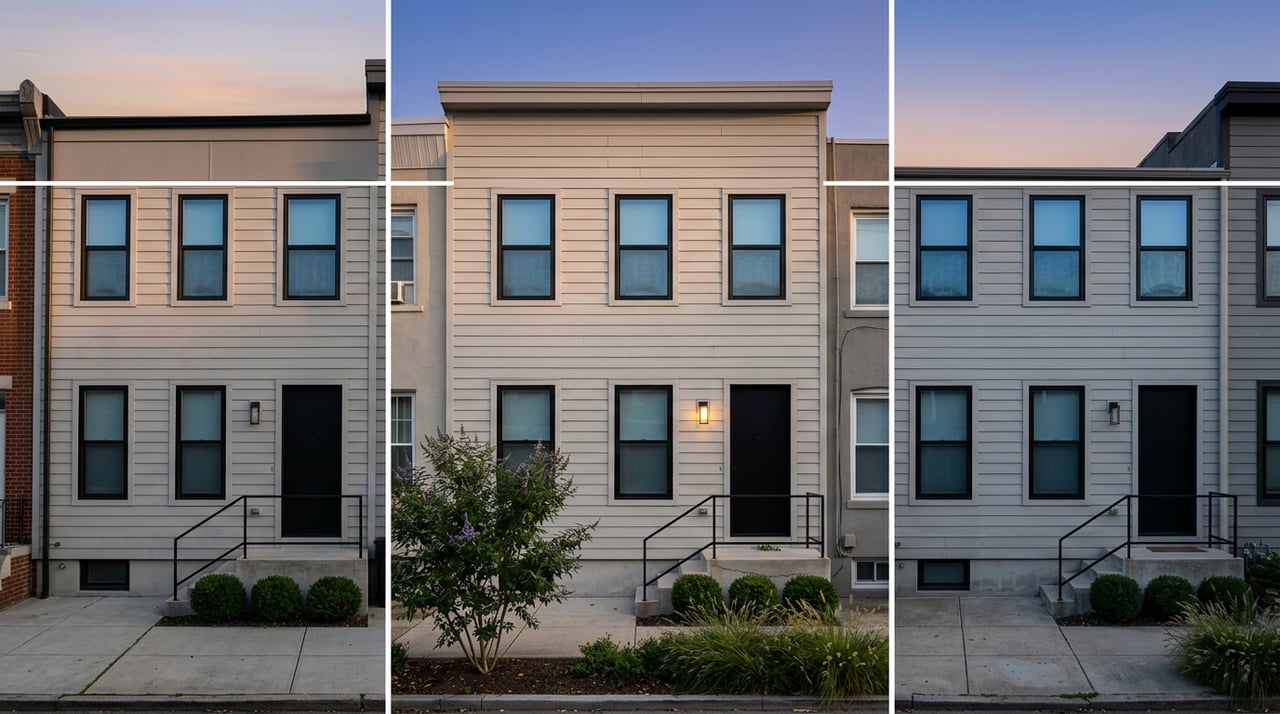
As the Nashville Scene reported, an out-of-state investor bought a house in Nashville's District 9 a few months after Metro's 2022 phase-out of new investor permits had already taken effect, planning to run it as a short-term rental. He put roughly $69,000 into furniture and another $35,000 into improvements before he ever tried to get a permit. When he applied in 2023, Metro Codes turned him down. The house sat in a zone where new non-owner-occupied permits could no longer be issued. He sold the property in March 2023 for $360,000, then filed a lawsuit the following February against the agent involved in the deal, arguing she should have caught the zoning problem before he bought.
That case is the clearest illustration of a mechanic that trips up more Nashville Airbnb buyers than any pricing mistake ever will. The permit that makes a house a working short-term rental is not attached to the address. It's attached to the person who applied for it, and it dies the moment the deed changes hands.
What Actually Happens to the Permit at Closing
Metro Nashville issues two kinds of short-term rental permits: owner-occupied (OOSTR) and non-owner-occupied (NOOSTR). Every one of them, regardless of type, is non-transferable, and tied to the person or entity named on the application. Sell the house, gift it, move title into a trust, or convert ownership from an individual to an LLC, and the permit cancels. The buyer, the trust, or the new LLC has to start over from zero.
That's not a workaround gap in the ordinance. It's the design.
Metro Codes states plainly that a change in ownership cancels the permit, and specifically calls out moving title from a person to a trust or LLC, or the reverse, as one of the triggers. The rule doesn't distinguish between an arm's length sale and a paperwork restructuring within the same family. Ownership changes, permit ends.
The 2018 Vote That's Still Draining the Supply
Metro Council voted in 2018 to phase out new non-owner-occupied permits across most residential zoning, and the rule took full effect on January 1, 2022. Nothing dramatic happened that day. No mass evictions, no headline crackdown. Instead, Metro chose slow attrition: existing NOOSTR permits in residential zones could keep renewing, but the moment any one of those properties sold, its permit could never be reissued in that location again.
By July 2026, the drain shows up in the numbers. Metro Nashville has issued 11,157 NOOSTR permits over the life of the program. Only 4,897 of them are still active. More than half have already expired through sales, lapses, or non-renewal, and under current zoning, most of that supply can't come back. Add the 2,042 active owner-occupied permits and the entire short-term rental permit base in Davidson County sits at 6,939, in a city that draws roughly 17 million visitors a year.
That scarcity is exactly why the permit question matters more at the closing table than the paint color or the pool.
Owner-Occupied vs. Non-Owner-Occupied, in Practice
| Owner-Occupied (OOSTR) | Non-Owner-Occupied (NOOSTR) | |
|---|---|---|
| Where new permits still issue | Only specific commercial, mixed-use, and downtown-code zones, including DTC, MUL, MUG, and MUI | |
| What happens at closing | Permit is canceled | Permit is canceled; a new one is only possible if the property sits in an eligible zone |
Both permit types share a hard ceiling worth knowing before you tour a listing: no more than four sleeping rooms per permit, and maximum occupancy capped at twice the permitted sleeping rooms plus four, never more than twelve. A five-bedroom house marketed as short-term rental ready cannot legally hold a Nashville STR permit of any kind, regardless of zoning.
Where the Permit Actually Works
BDG Partners describes zoning eligibility for new NOOSTR permits as clustered tightly around downtown, roughly a three-mile radius of Broadway. The Gulch and Music Row are largely mixed-use and commercial. Slices of East Nashville and Wedgewood-Houston fall inside eligible corridors too, but only in specific pockets, not across the neighborhood as a whole.
Germantown is the case that trips people up most often. A Victorian rowhouse on a standard residential street sits two blocks over. Those older Germantown rowhouses are worth genuinely more to the person who already holds the permit than to whoever buys the house next, because the buyer inherits the real estate, not the right to operate it as a rental.
East Nashville tells a similar story. Buildings along Main Street and the Five Points corridor are distinct from the residential interior streets, where most of East Nashville's housing stock actually sits.
The Workaround, and Why It's Not a Guarantee
Defy Mortgage describes how some investors try to sidestep the cancellation rule by buying the LLC that holds the permit instead of buying the real estate directly, using a membership interest purchase agreement to acquire ownership of the entity rather than transferring the deed. Because the LLC, not the individual, remains the permit holder on paper, the theory is that the operating permit survives the transaction.
Whether that actually holds up depends on how Metro Codes reads the specific deal structure, and on guidance that can change. This is a question for your real estate attorney and for Metro Codes directly, not something to assume works based on a forum post or a lender's blog. If a seller offers this structure as the reason their five-year-old NOOSTR permit will "come with the house," get that confirmed in writing from Metro before you rely on it.
What to Confirm Before You Write the Offer
A listing description that says "permitted short-term rental" or "STR income included" is describing the seller's current situation, not necessarily yours after closing. Before making an offer on any Nashville property marketed for short-term rental use:
- Pull the parcel's actual zoning classification from Metro's property records, not from the listing sheet.
- Ask whether the current permit is OOSTR or NOOSTR, and whether the zone still issues new NOOSTR permits today.
- If the zone doesn't qualify, treat the property as a long-term rental or owner-occupied purchase, not as an income-producing STR, when you run your numbers.
- If a seller proposes an entity purchase to preserve a legacy permit, get written confirmation from Metro Codes before you rely on the structure.
- Build a permit contingency into your purchase contract rather than trusting a "permitted at sale" representation, since Metro's own online application system, live since March 11, 2026, is the only source that matters once you're the owner of record.
The active permit database is public. Anyone can look up an address on Metro's own STR permit map before committing to a number.
FAQ
If a house already has a NOOSTR permit, can I just keep the same number after I close? No. Metro cancels the permit on any change of ownership, including a straightforward sale, and a new non-owner-occupied permit can only be issued if the property sits in an eligible zone.
Does an owner-occupied permit have the same problem? Yes, in the sense that it also cancels at sale.
Is there any way to guarantee the permit transfers with the sale? Not through the deed. Some investors structure a purchase around acquiring the permit-holding LLC itself rather than the real estate. Whether that preserves the permit depends on Metro's current interpretation and how the deal is papered, and it should be confirmed with Metro Codes and an attorney before it factors into your offer.
Nashville's short-term rental math rewards buyers who verify the zoning before they fall in love with the pro forma. If you're evaluating a property for STR potential anywhere in Middle Tennessee, from a downtown Nashville condo to an investment purchase in Brentwood or Franklin, Donna Walsh works through the zoning and permit questions with buyers before they write an offer, not after. Let's Connect.
This article is general information, not legal, tax or financial advice. Consult a qualified professional about your situation.